


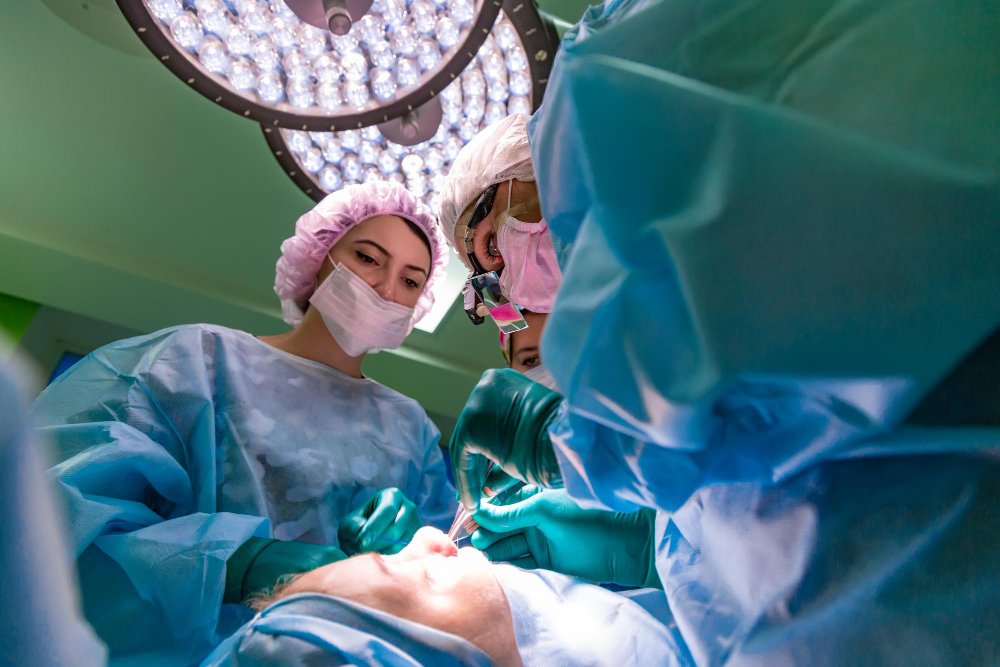
Minimally Invasive Surgery for Faster Recovery
Laparoscopic surgery, also called keyhole surgery, uses small incisions and specialized cameras to perform surgeries with precision. This revolutionary approach helps patients recover faster with less pain and minimal scarring, while maintaining the highest standards of surgical safety and effectiveness.
Our experienced laparoscopic surgery team utilizes state-of-the-art equipment and advanced surgical techniques to handle complex procedures through minimal access. This method significantly reduces tissue trauma, hospital stays, and postoperative recovery time compared to traditional open surgery.
Procedures We Perform
Our comprehensive laparoscopic surgery services cover a wide range of procedures performed through minimal access incisions.
- Laparoscopic New Born Surgery
- New Born Laparoscopic Pyeloplasty (Kidney)
- Laparoscopic Appendectomy
- Laparoscopic Gall Bladder Stone Surgery
- Laparoscopic Hernia Surgeries
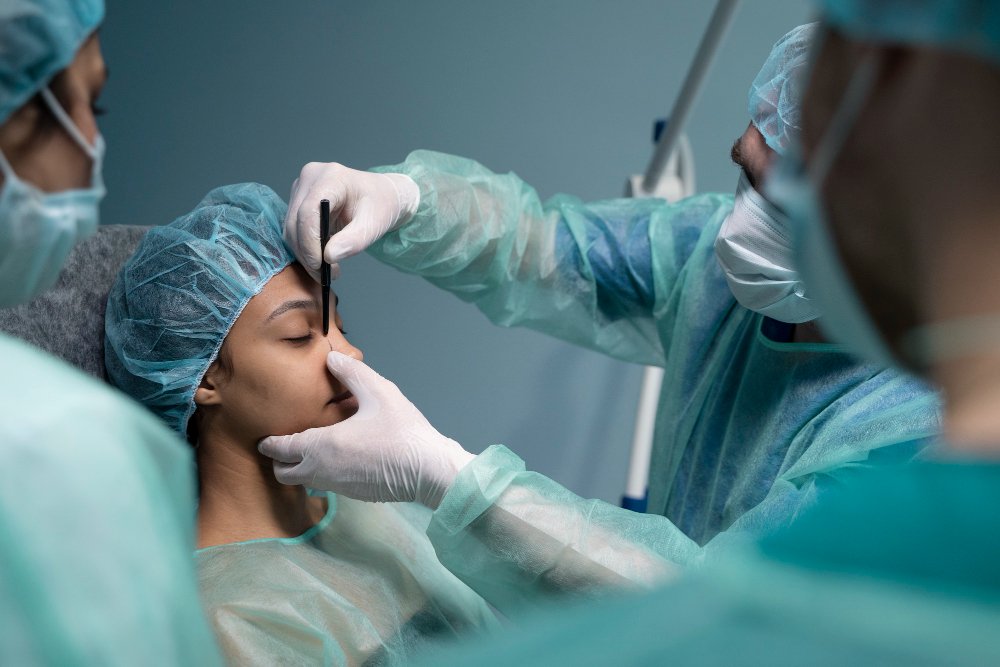

Laser Skin Rejuvenation
Advanced laser treatments to improve skin texture, reduce pigmentation, minimize pores, and restore youthful, healthy-looking skin.

Anti-Aging & Skin Tightening
Modern cosmetology procedures for wrinkle reduction, skin tightening, collagen stimulation, and overall facial rejuvenation with natural-looking results.

PRP Hair Restoration Therapy
Advanced PRP and GFC therapies designed to reduce hair fall, strengthen hair follicles, and promote natural hair growth.

Advanced Cosmetic Skin Procedures
Comprehensive cosmetology services including chemical peels, medi-facials, skin polishing, and customized aesthetic treatments for glowing skin.
Advantages of Laparoscopic Surgery
Our advanced laparoscopic procedures provide safer treatment, faster recovery, minimal pain, and improved patient comfort with modern minimally invasive surgical techniques.


99%
successful procedures

500+
laparoscopic surgeries completed

24 hrs
faster recovery support
Benefits of Laparoscopic Surgery
Smaller Incisions
Tiny surgical cuts reduce tissue damage, scarring, and improve cosmetic appearance.
Less Postoperative Pain
Minimally invasive techniques help reduce pain and discomfort after surgery.
Shorter Hospital Stay
Most patients recover quickly and can return home within a short period.
Faster Recovery
Patients can resume normal activities much earlier compared to open surgery.
Lower Infection Risk
Smaller wounds reduce exposure and help minimize chances of surgical infections.
Improved Patient Comfort
Advanced laparoscopic procedures provide safer treatment with enhanced comfort and care.
Important Information for Patients
Laparoscopic surgery offers many advantages, but proper medical evaluation is essential. Every patient requires detailed assessment before selecting the most suitable surgical approach.
- Comprehensive diagnosis helps determine surgical suitability
- Advanced scans and investigations support accurate treatment planning
- Some complex conditions may require alternative surgical methods
- Patient safety and successful recovery remain our top priorities
Expert Surgical Evaluation: Our specialists carefully review your medical history, symptoms, scans, and overall health condition before recommending laparoscopic surgery.
Personalized Surgical Care: We focus on minimally invasive techniques that provide safer treatment, quicker recovery, reduced pain, and improved patient comfort.
Frequently asked questions
Laparoscopic surgery is a minimally invasive procedure performed using small incisions, a tiny camera, and specialized instruments for faster healing and reduced pain.
Laparoscopic procedures usually cause less pain compared to open surgeries because of smaller incisions and minimal tissue damage.
Most patients recover quickly and can return to normal activities within a few days to two weeks depending on the procedure.
Yes, laparoscopic surgeries are considered very safe when performed by experienced surgeons using advanced equipment and proper care.
Benefits include smaller scars, less pain, reduced hospital stay, quicker recovery, minimal blood loss, and lower infection risk.